

By Kimberly Casey | Washington DC Luxury Real Estate & Development Advisor
Luxury development in Washington, DC has never been simple — but it has become significantly more complex.
Regulatory layers are increasing, not decreasing.
Entitlement processes are longer.
Historic preservation oversight is stricter.
Zoning scrutiny is heightened.
Community review is more involved.
At the same time, labor costs are higher, material pricing remains elevated, and carrying costs demand greater precision.
It is harder to build.
And yet, when executed correctly, luxury development in Washington DC remains one of the most lucrative segments of the Mid-Atlantic real estate market.
High-net-worth buyers in this region have liquidity.
They are willing to pay for quality.
They are willing to pay for convenience.
They are willing to pay for thoughtful design.
The difference between average performance and record-setting results is strategy — and that strategy begins before a shovel ever hits the ground.
Development Success Is Determined at Conception
I work with developers from the earliest stages of a project:
- Product concept
- Floor plan optimization
- Unit mix decisions
- Designer selection
- Brand positioning
- Emotional narrative development
- Pricing matrix modeling
- Absorption forecasting
When the vision is aligned early, the results follow.
Recently:
- The 22-unit Mayfair condominium project sold out
- A $6 million luxury home closed in cash in three days
In both cases, I was involved before launch — selecting the designer, shaping the brand narrative, and aligning the product with what Washington DC luxury buyers actually want.
Luxury real estate is not simply about square footage.
It is about confidence, clarity, and emotional connection.
The Luxury Condo Opportunity: Scarcity + Empty Nester Demand
Boutique luxury condominium inventory in Washington DC remains constrained due to:
- Limited buildable land
- Height restrictions
- Preservation overlays
- Elevated construction costs
- Fewer projects breaking ground
At the same time, affluent empty nesters are actively seeking:
- 2,000–3,500+ square feet
- True single-level living
- Elevator-access buildings
- Secure interior garage parking
- Walkable locations
- Lock-and-leave convenience
Large-format luxury residences are consistently undersupplied.
In multiple boutique projects I have advised, the largest single-level residences were secured first — often during pre-sale phases.
Developers who continue prioritizing smaller, investor-driven unit counts are overlooking the most financially secure buyer segment in Washington DC luxury real estate.
Scarcity in this category supports pricing power.
The $4M–$8M Single-Family Home Appetite
There is extraordinary appetite right now for thoughtfully designed single-family homes in the $4M–$8M range across:
- Wesley Heights
- Spring Valley
- Kalorama-adjacent streets
- Georgetown
- Cleveland Park
- Bethesda
- McLean estate corridors
This buyer pool is highly specific and increasingly design-literate.
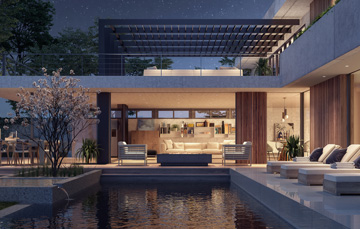
Contrary to popular assumption, Washington DC luxury buyers in this tier do not want stark modern glass boxes.
They prefer architectural warmth.
The market consistently favors:
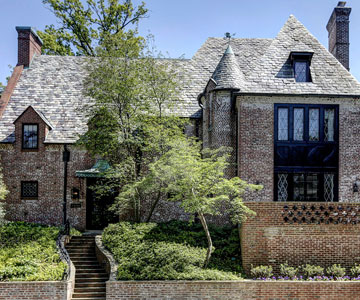
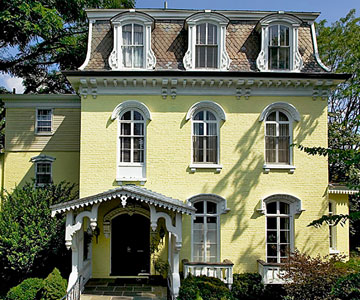
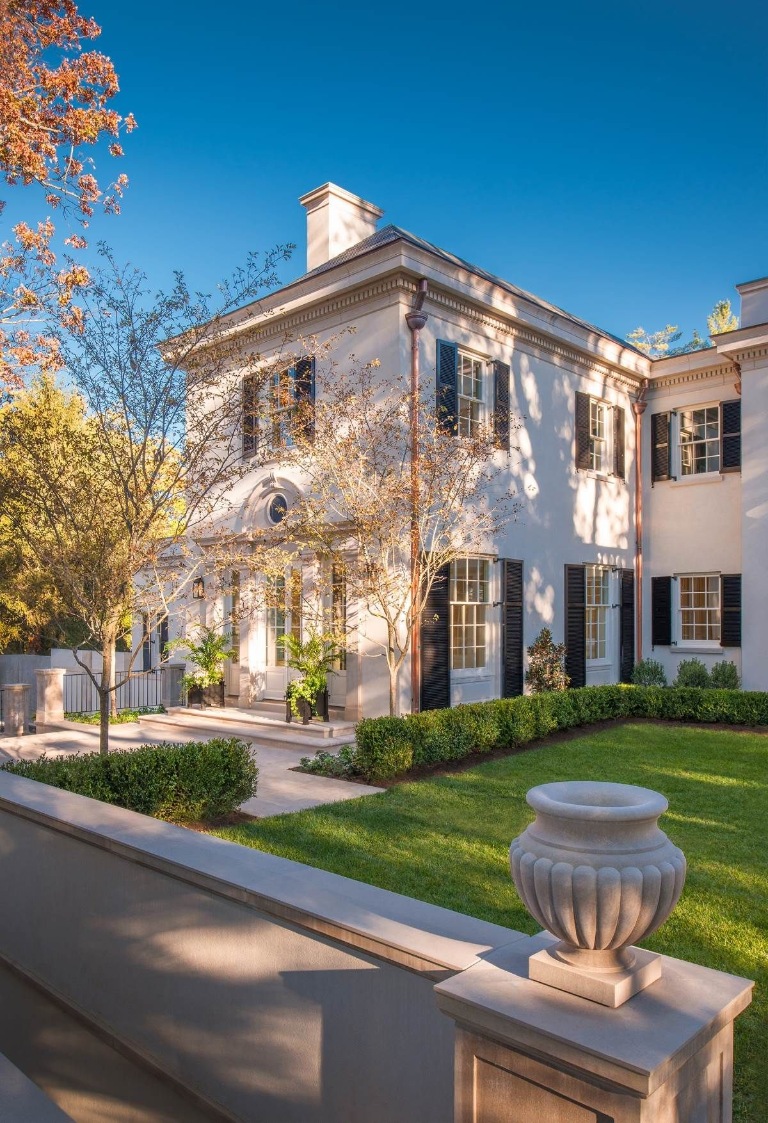
- Traditional exteriors
- Timeless façades
- Strong millwork
- More defined rooms — not endless open voids
- Fireplaces as architectural anchors
- Separate, well-proportioned offices
- Formal dining rooms
At the same time, they expect modern functionality:
- Seamless indoor-outdoor flow
- Kitchens that open to family spaces
- Thoughtful mudrooms
- Butler’s pantries
- Integrated technology
- Hidden storage solutions
Interior-access garages are strongly preferred over detached garages.
Security is increasingly important, with buyers expecting:
- Smart home integration
- Discreet security infrastructure
- Privacy-conscious layout planning
They also expect:
- High-end appliance packages
- Whole-house water filtration systems
- Dedicated wellness or fitness rooms
Following recent winters, heated driveways have become a meaningful consideration — particularly in McLean and Bethesda estate corridors where lot size and grade complicate snow removal.
Buyers in the $4M–$8M range are not experimenting.
They are optimizing for lifestyle, longevity, and resale confidence.
Developers who respect Washington’s architectural DNA while delivering modern livability achieve stronger absorption and pricing confidence.
Branding, Design & Buyer Psychology
Luxury buyers in Washington DC do not simply purchase homes — they purchase conviction.
Designer selection matters.
Finish palettes matter.
Narrative matters.
When I guide a project from conception, we align:
- Architecture with submarket expectations
- Interior design with buyer psychology
- Price per square foot with competitive benchmarks
- Unit mix with real demand
- Emotional positioning with financial logic
The Mayfair’s full sell-out and the recent $6M cash transaction were not accidents.
They were the result of early strategic alignment.
Washington DC Still Rewards Precision
Despite regulatory complexity and higher labor costs, Washington DC remains one of the most stable luxury markets in the United States because of:
- Political and institutional stability
- International diplomatic presence
- Strong professional employment base
- Limited land supply
- High-net-worth buyer liquidity
This is not a speculative boom market.
It is a capital-preservation market.
When the product is well-designed, appropriately sized, and positioned correctly from the beginning, it performs.
Why Work With a Washington DC Luxury Development Strategist
Developers and luxury buyers need more than representation.
They need:
- Market intelligence before design is finalized
- Floor plan critique grounded in real buyer feedback
- Brand positioning guidance
- Data-driven pricing strategy
- Absorption forecasting
- Relationship-driven access to qualified buyers
With over $1 billion in career sales and direct involvement in boutique luxury development strategy, I approach projects as capital ventures — not transactions.
Development in Washington DC is challenging.
It is also exceptionally rewarding when aligned with what high-net-worth buyers truly want.
The difference is execution at the blueprint stage.
Final Thoughts
Luxury development in Washington DC in 2026 demands:
- Regulatory awareness
- Financial discipline
- Design intelligence
- Emotional precision
- Early strategic positioning
It is harder to build.
But when done correctly, it remains one of the most powerful wealth-creation opportunities in our region.
Results follow strategy.